
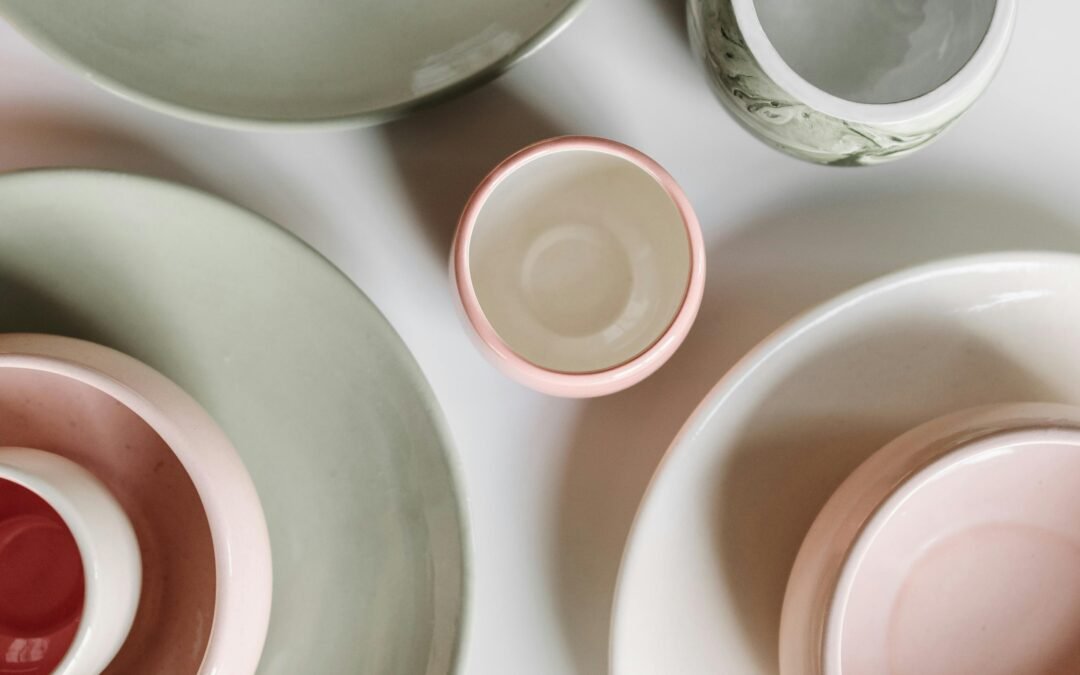
Ceramics are deceptively difficult. They’re familiar, ordinary, everywhere — these are the objects you live with most closely. You use them every day. You stack them without thinking. You wash them again and again. Over time, they have to hold up.
And yet most ceramics are chosen under conditions that don’t exist in real life.
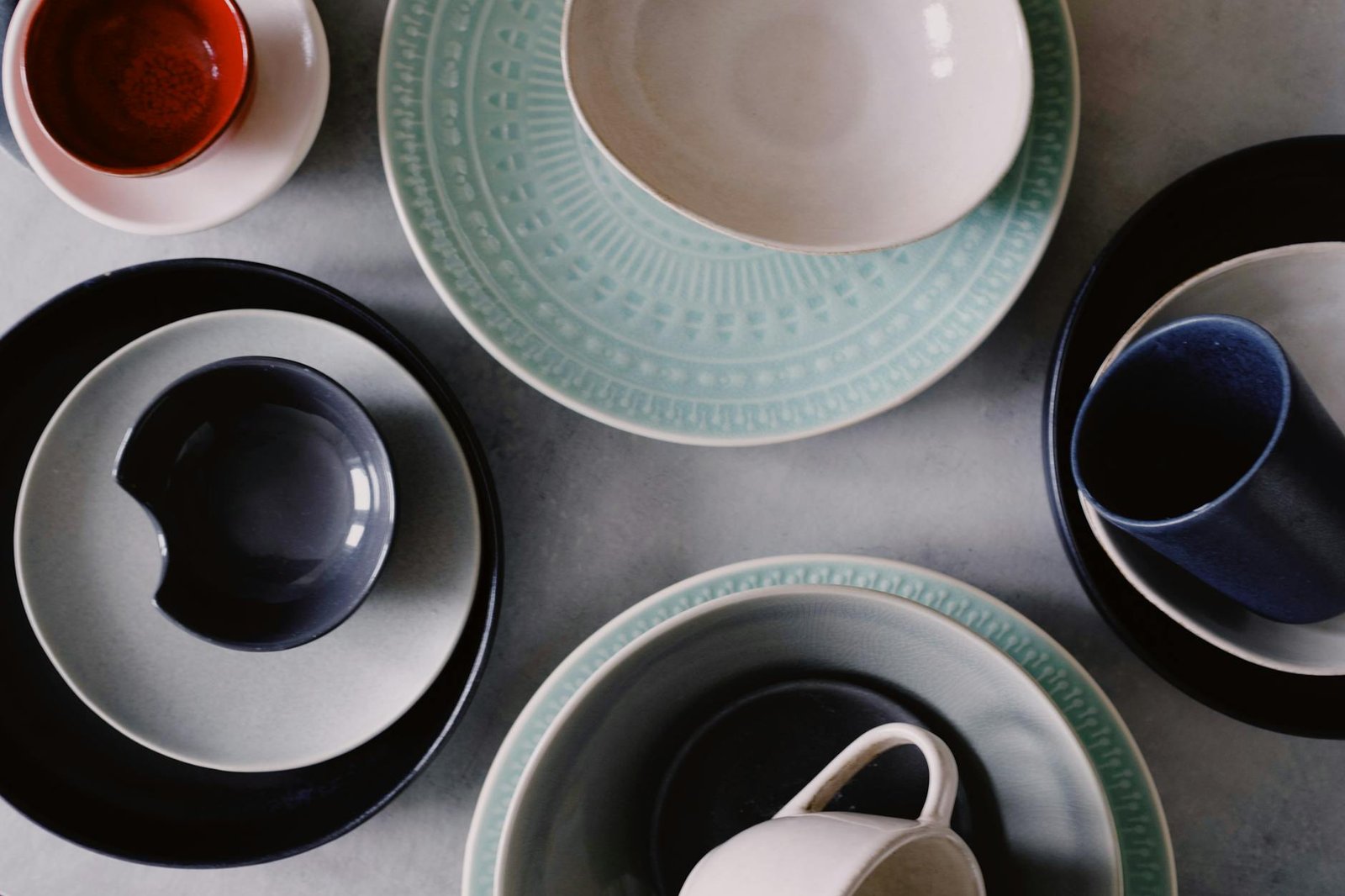
In shops and photographs, everything behaves. Plates are empty. Colors aren’t competing with food. You’re holding a single piece carefully, not lifting a stack or eating from it. In that moment, almost everything looks calm and elegant.
Put food on it, and the illusion breaks. Colours clash. Weight becomes noticeable. Proportions that looked generous start to feel impractical. You wonder how this fits in the cupboard, and whether it’s something you can use and wash without thinking twice.
Here’s your guide to choosing ceramics that work beyond first impressions.
1. In the hand
Many plates are designed to look generous. Wide rims, large surfaces, a sense of abundance. On a table or in a photograph, that generosity reads as confidence. It suggests hospitality, ease, plenty. In images, it works.
In daily life, it turns into something else.
A plate that looks balanced when placed carefully on a table feels different once you have to hold it. Lift it with one hand. Carry several at once. Eat standing at the counter. Clear the table when you’re tired. This is when generosity becomes weight.
If a plate — or a mug — is too large or too heavy to handle comfortably with one hand, you’ll notice. The opposite is true as well. When something is too small, it starts to feel limiting once there’s actually food on it. Either way, your body registers the mismatch long before you put words to it.
You don’t choose your favourite plate consciously. It shows up as a habit.
The plate that looks impressive but feels awkward is the one you stop reaching for. It stays in the cupboard, even if you can’t quite explain why. The one that gets used is the one that moves easily, without asking for adjustment.
Good size is practical, almost invisible. The ceramics you keep are the ones your hand doesn’t argue with.
2. With food
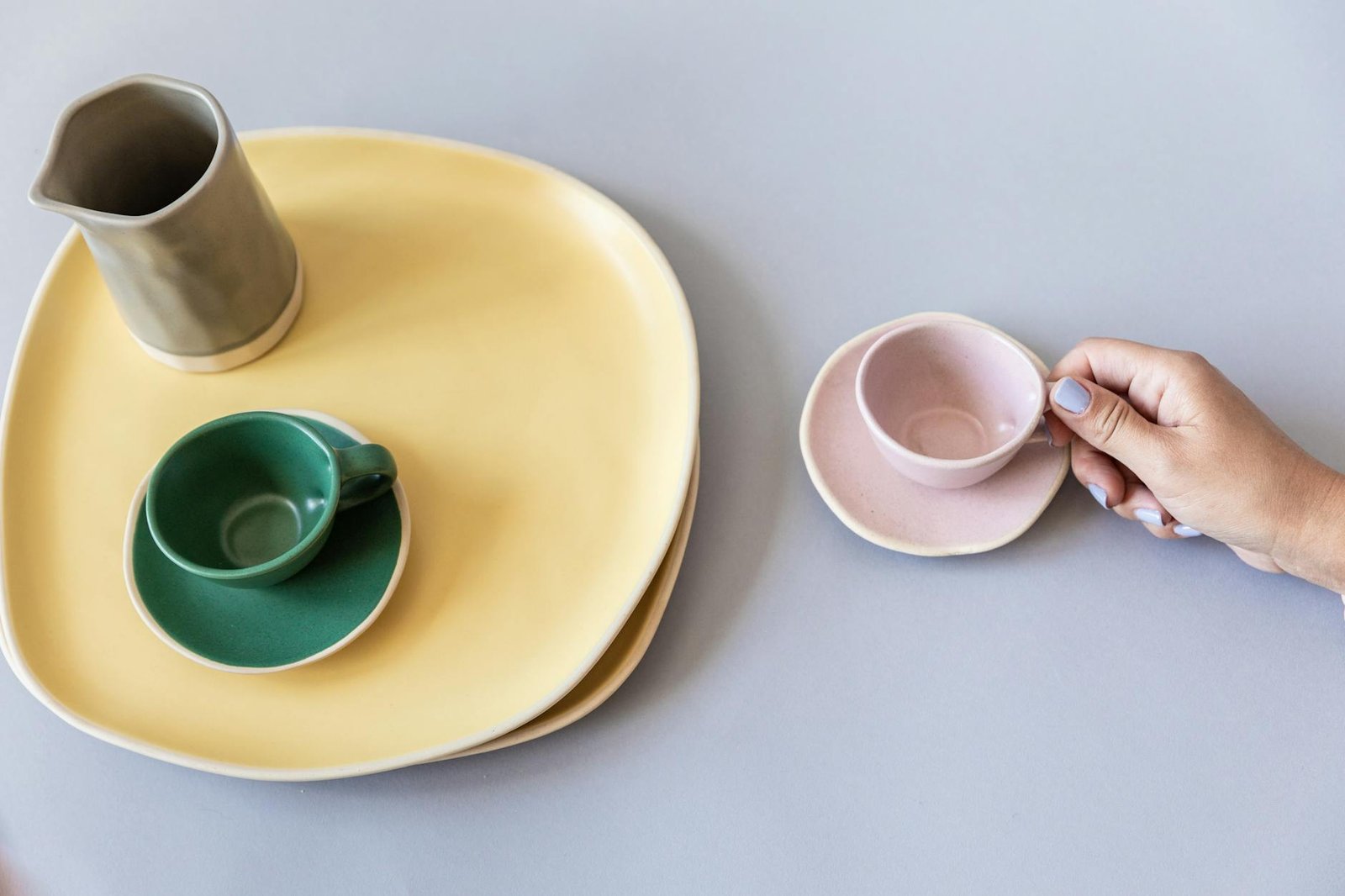
Most ceramics are chosen empty — and that’s the problem.
At home, a plate doesn’t live on a shelf. It lives under food. Sauces, greens, browns, oils, crumbs. Meals introduce color, texture, and contrast in ways no showroom ever does. A glaze that felt subtle on its own can suddenly dominate. A color that looked calm can drain everything placed on it.
This is where many ceramics begin to feel wrong.
Food changes the composition completely. Portions can look lost on oversized plates or crowded on smaller ones. Certain colors clash unexpectedly. Others flatten what’s on them. What looked elegant in isolation starts to interfere once something is actually happening on the surface.
And yes, this carries over to photographs. Whether we like it or not, many of us do take pictures. Some ceramics photograph beautifully and feel dull in real life. Others feel perfect at the table but translate poorly on screen. The tension between how something looks in use and how it looks captured is real.
The question isn’t whether a color is beautiful on its own, but whether it still works once food is involved. Day after day, meal after meal.
3. Over time
Material reveals itself through repetition.
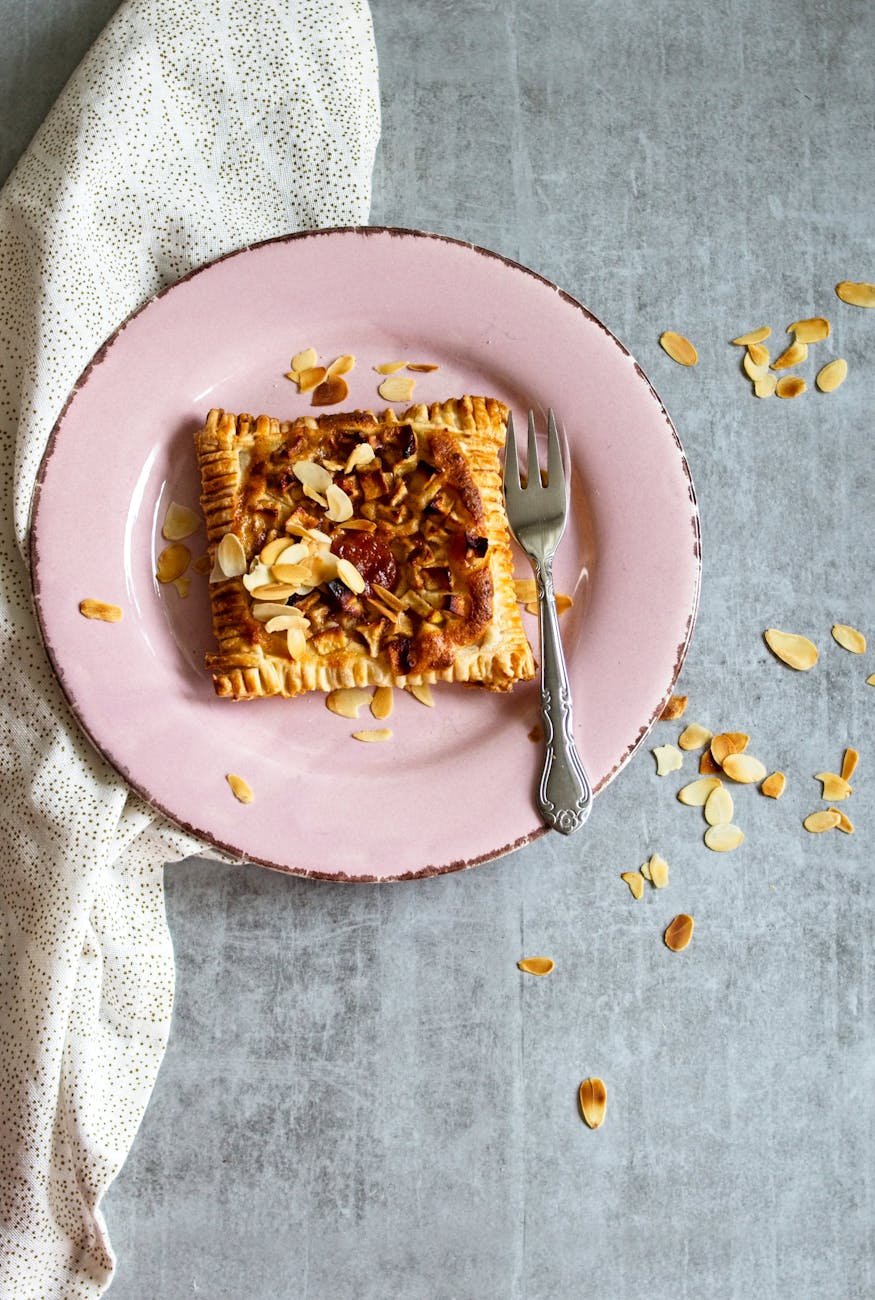
The first few uses rarely tell you much. The glaze is even. The surface feels smooth. Everything still looks intact. It’s only after weeks of washing, stacking, and everyday handling that a ceramic begins to show what it’s made of.
This is when small hesitations appear. You pause before putting it in the dishwasher. You think twice before stacking it with the rest. You notice whether the glaze stays consistent or slowly dulls, whether edges chip easily, whether surfaces hold on to coffee, oil, or sauce longer than they should.
None of this feels dramatic. But it accumulates. Eventually, these details begin to matter more than appearance ever did.
Ceramics that look delicate often ask for special treatment. They reward careful handling and punish neglect. In real life, that trade-off becomes tiring faster than you expect.
The ceramics you keep make a different assumption. They expect to be washed often. They assume imperfect care, and they’re designed to withstand repetition without complaint. The material works under normal conditions. Normal life.
4. In the cupboard
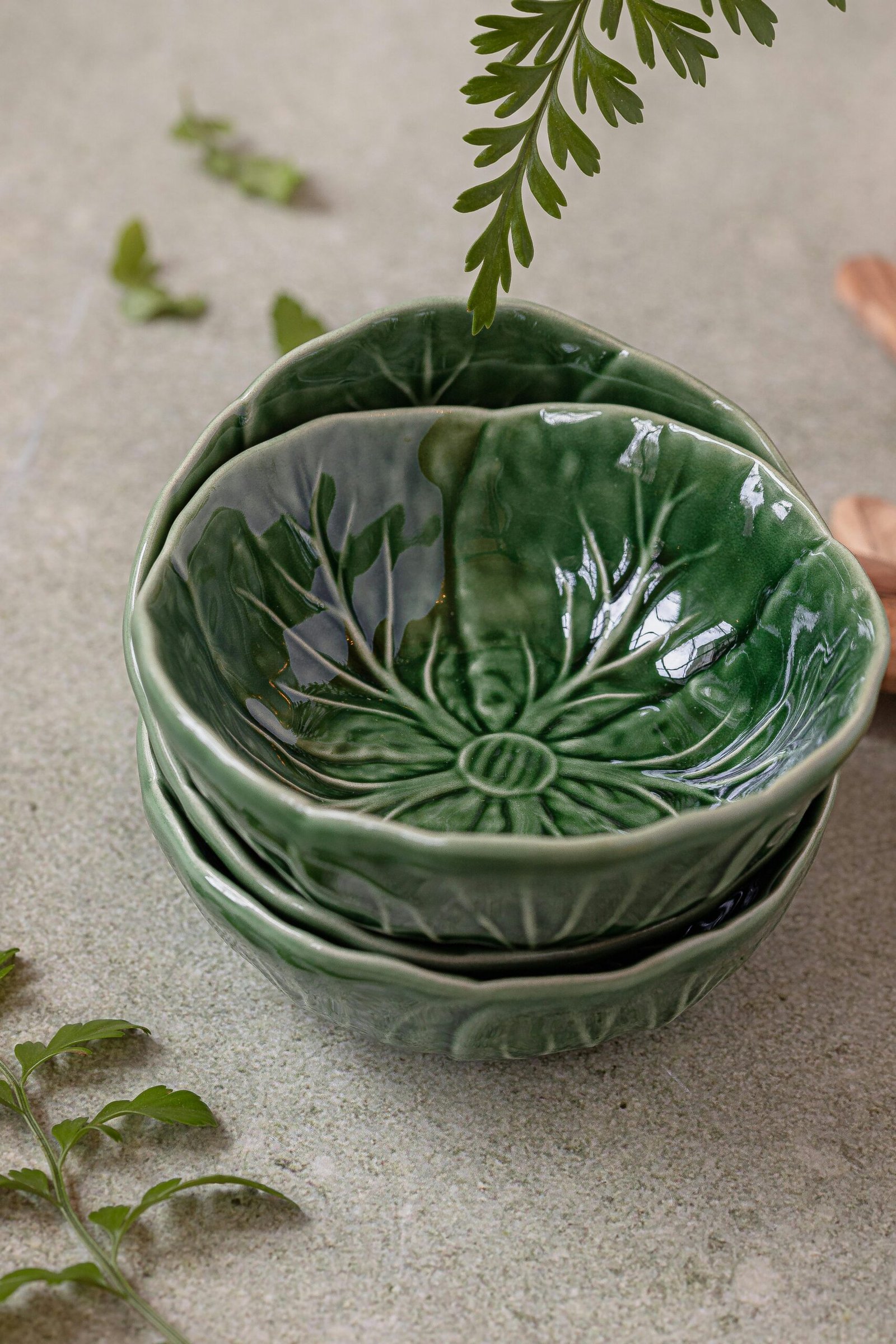
This is where many beautiful ceramics fail. At home, plates are stacked. Bowls are nested. Mugs are pulled out one-handed, often in a hurry. Cupboards aren’t display spaces; they’re places of repetition, limited room, and tired hands.
A plate that wobbles in a stack introduces a low-level irritation every time you put it away. Bowls that cling to each other demand an extra tug. Pieces that don’t quite align turn storage into something you have to think about, and thinking is exactly what you don’t want to do at the end of a meal.
None of this feels significant on its own. But it adds friction to a routine that’s already full.
Ceramics that survive daily life account for this. They stack cleanly, separate easily, and return to their place without resistance.
The ones you keep are the ones that disappear neatly when you’re done.
5. When it breaks
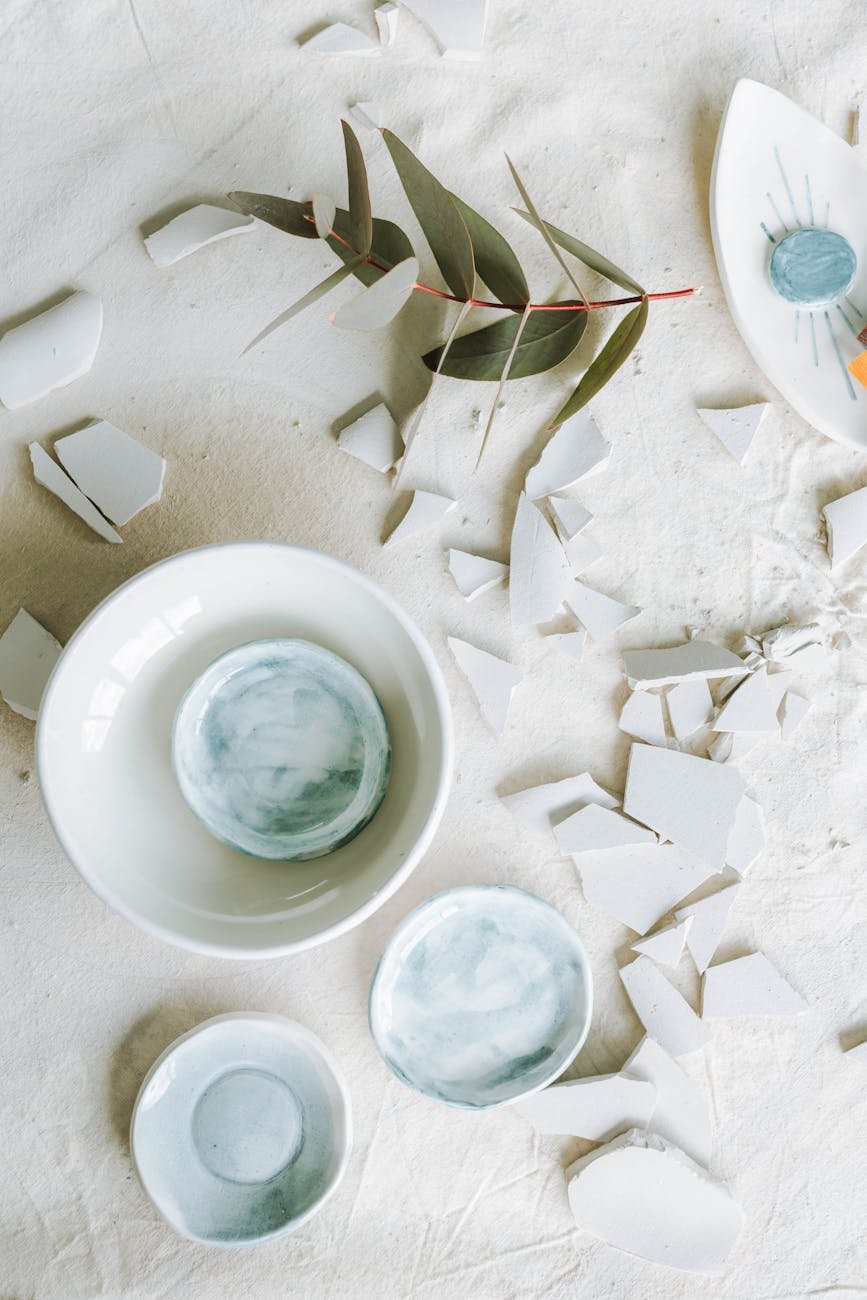
No one chooses ceramics thinking about breakage. And yet, eventually, that moment arrives. A plate chips. A bowl cracks. A mug slips out of your hand one tired evening.
Perfect or rare sets don’t handle this moment well. One missing piece makes the rest feel incomplete. Replacing it is rarely straightforward because colors change, shapes shift, and production stops. Knowing this, the set becomes something you feel compelled to protect rather than use.
Ceramics that earn a place in daily life tend to be more forgiving. They allow for replacement or mixing. Or simply continuing without noticing the absence too much.
This matters more than almost anything else. The ceramics that survive daily life aren’t just the ones that don’t break. They’re the ones that don’t fall apart as a system when one piece is gone. That tolerance is what allows you to keep using them without hesitation and turns them into quiet companions rather than objects you have to worry about.
None of these things are obvious in a shop, but together, they decide whether a ceramic becomes part of your routine or stays at the back of the cupboard. That’s the difference between choosing ceramics you admire and choosing ceramics you’ll keep.